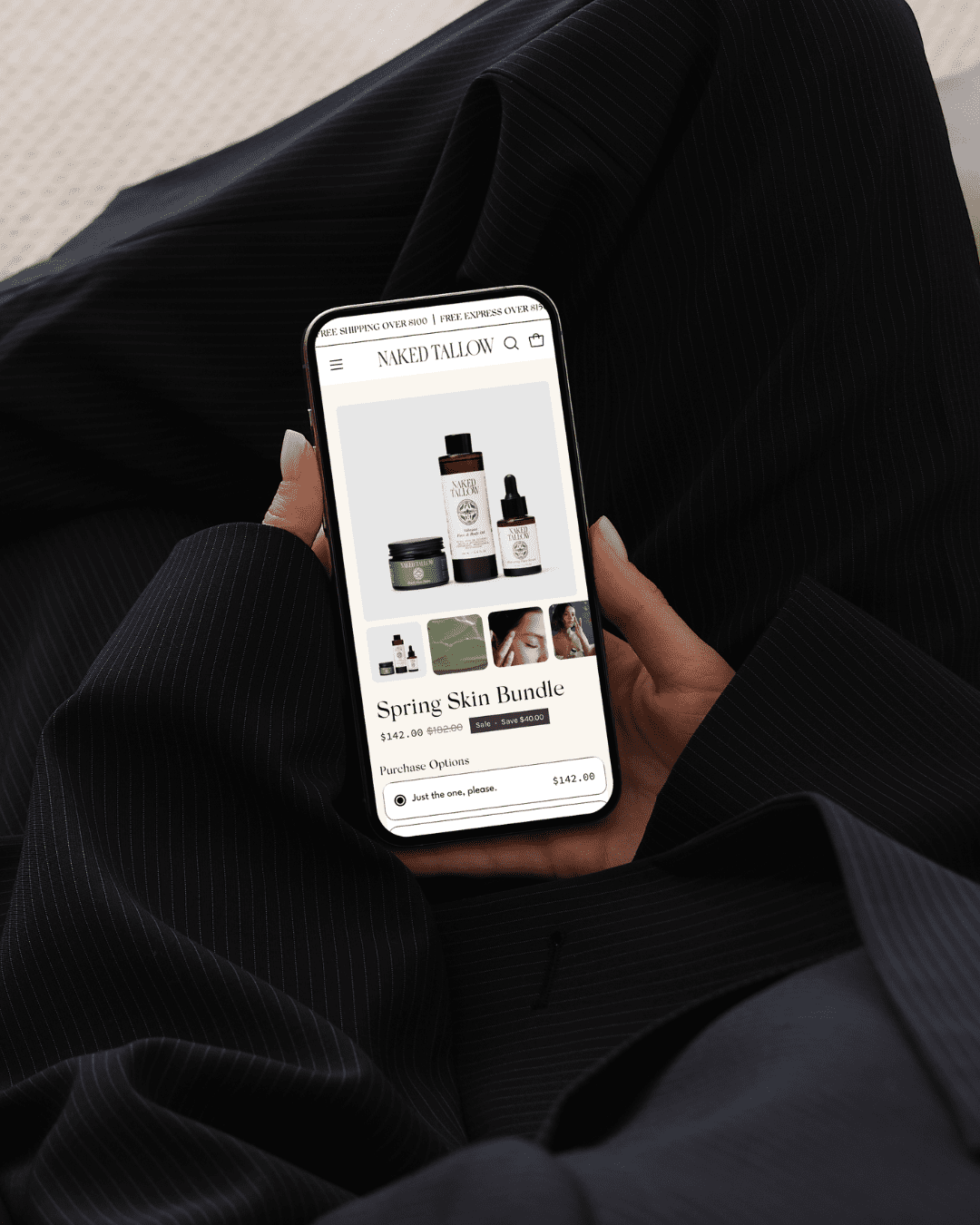

Let’s be honest. Most Shopify stores look fine on the surface… but fall apart the second a customer wants more detail.
You know the moment.
They’re interested, hovering, close to adding to cart… but something’s missing.
Fabric feel.
Sizing nuance.
Ingredients.
How it actually fits into their life.
And instead of finding it? They bounce.
This is exactly where Metafields step in. Not as a flashy feature. But as the difference between a store that looks good and one that actually sells with confidence.
What metafields really are (without the tech talk)
Metafields let you store and display extra, custom information across your Shopify store.
Not generic product descriptions.
Not clunky text blocks.
Specific, structured details that actually matter to your customer.
Think of them as the difference between:
- A vague first date
- And someone who knows exactly how to hold a conversation
One builds interest. The other builds trust.
Where metafields change everything
Product pages that actually answer questions
If your product page still relies on one long description, we need to talk.
Metafields let you break information into clean, intentional sections like:
- Fabric composition
- Fit notes (true to size, oversized, model sizing)
- Care instructions
- Ingredients or formulation details
- “Best for” use cases
Real example:
A skincare brand adds:
- Skin type compatibility
- Key ingredients with benefits
- Routine placement (AM/PM, step 2, etc.)
Now the customer isn’t guessing. She’s building a routine in her head.
That’s what converts.
Elevated product cards (without redesigning your whole site)
Your collection pages don’t have to be basic.
With Metafields, you can surface:
- “Bestseller” or “Low stock” labels
- Key product highlights (e.g. “Linen blend”, “Vegan formula”)
- Short benefit-led snippets
Real example:
A fashion brand adds “Petite friendly” and “Tall approved” tags directly under product titles.
Suddenly, your customer spots herself in the product before she even clicks.
Smarter filters that actually help people shop
Most filters are… underwhelming.
Size. Colour. Price. Fine.
But Metafields let you create filters based on how your customer actually shops:
- Skin concern (acne, dryness, sensitivity)
- Fit type (relaxed, tailored, oversized)
- Occasion (everyday, event, workwear)
- Material or finish
Real example:
A beauty brand adds filters for “Pregnancy safe” and “Fragrance free”.
That’s not just helpful. That’s thoughtful.
Sections that feel considered, not cluttered
You know those product pages that feel like everything’s just been… dumped in?
Metafields fix that.
You can create structured sections like:
- “Why you’ll love it”
- “How to use”
- “Key ingredients”
- “Shipping & returns”
Each pulling from clean, editable fields behind the scenes.
No more messy formatting. No more copy-paste chaos.
Consistency across your entire store
This is the part founders don’t realise until it’s too late.
Without Metafields, every product page becomes a one-off.
Different structure. Different tone. Different level of detail.
With Metafields, you create a system.
So every product:
- Feels cohesive
- Looks intentional
- Builds the same level of trust
It’s subtle. But it’s powerful.
The shift most founders need to make
Metafields aren’t about adding more information.
They’re about organising the right information in a way your customer can actually absorb.
Because here’s the truth: If your customer has to work to understand your product, she won’t.
She’ll leave.
Where to start (without overcomplicating it)
If you’re new to Metafields, don’t try to overhaul everything at once.
Start here:
- Add fit notes or usage instructions to your top 5 products
- Introduce one or two custom filters that reflect how your customer shops
- Break your product descriptions into structured sections
That alone will shift how your store feels.
More clarity.
More confidence.
More connection.
Final thought
Your website is your first impression. You already know that.
But what most founders miss is this:
It’s not just how it looks.
It’s how clearly it communicates.
Metafields are one of the simplest ways to close that gap.
And when you get them right? Your customer doesn’t hesitate.
She understands. She connects. She buys.